I.S. SUNAO KUWAHARA
Sunao Kuwahara began his career under the guidance of Issey Miyake, eventually becoming the chief designer of Miyake’s I.S. line. This early proximity is visible in the work, but it never feels derivative. The influence is structural rather than stylistic; a shared concern for construction, movement, and restraint. Kuwahara often described himself as a lazy man. The statement was not ironic nor self-deprecating. It suggested a resistance to excess, constant reinvention and noise. In an industry driven by novelty, this attitude proved unexpectedly compelling.
By the early 2000s, the brand had grown significantly, becoming one of Japan’s most commercially successful labels. For Kuwahara, this scale was not a goal but a limit. He stepped away, choosing independence and a smaller mode of working. His philosophy of designing for longevity (rather than planned obsolescence) was ahead of its time, foreshadowing the modern sustainability movements.
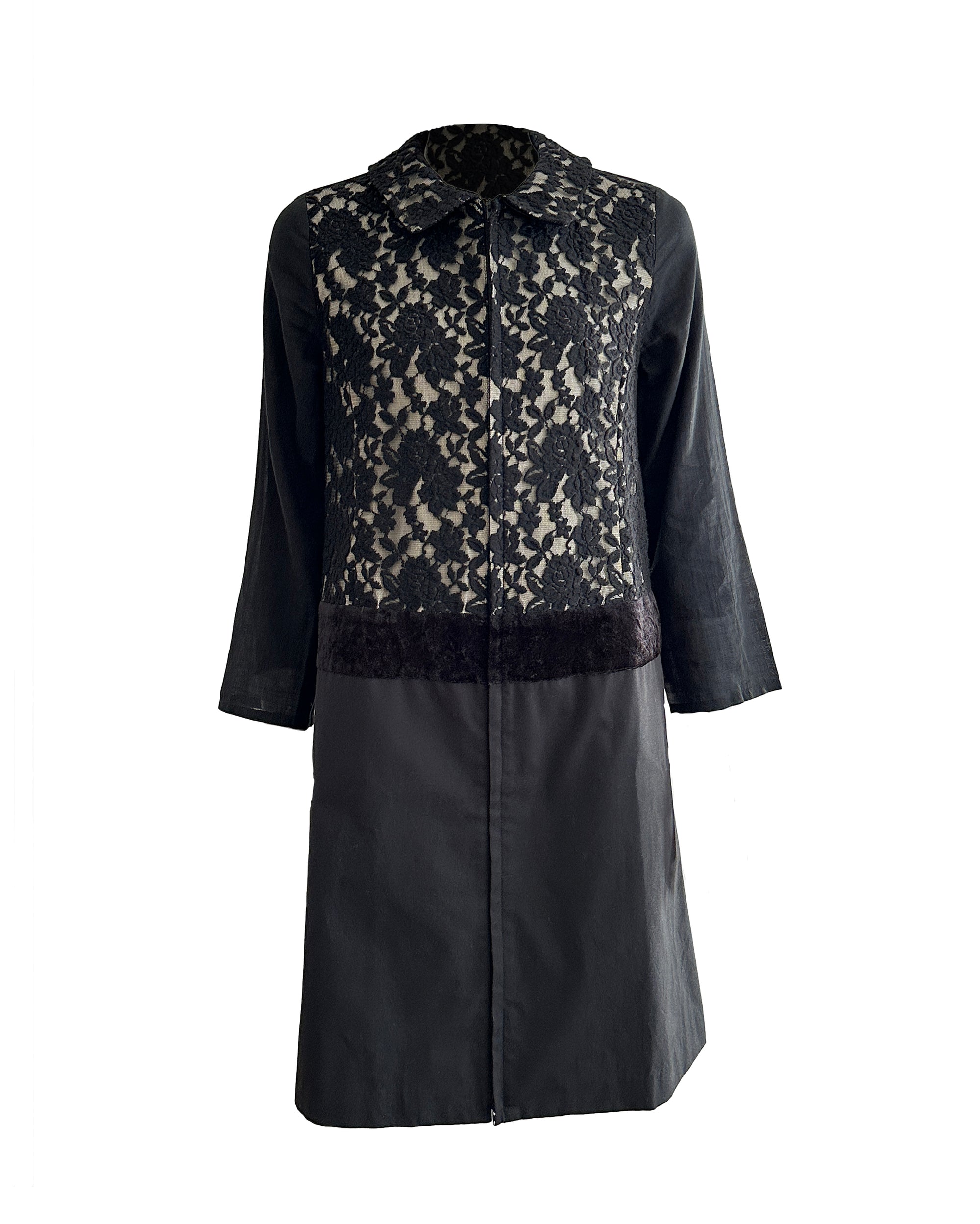
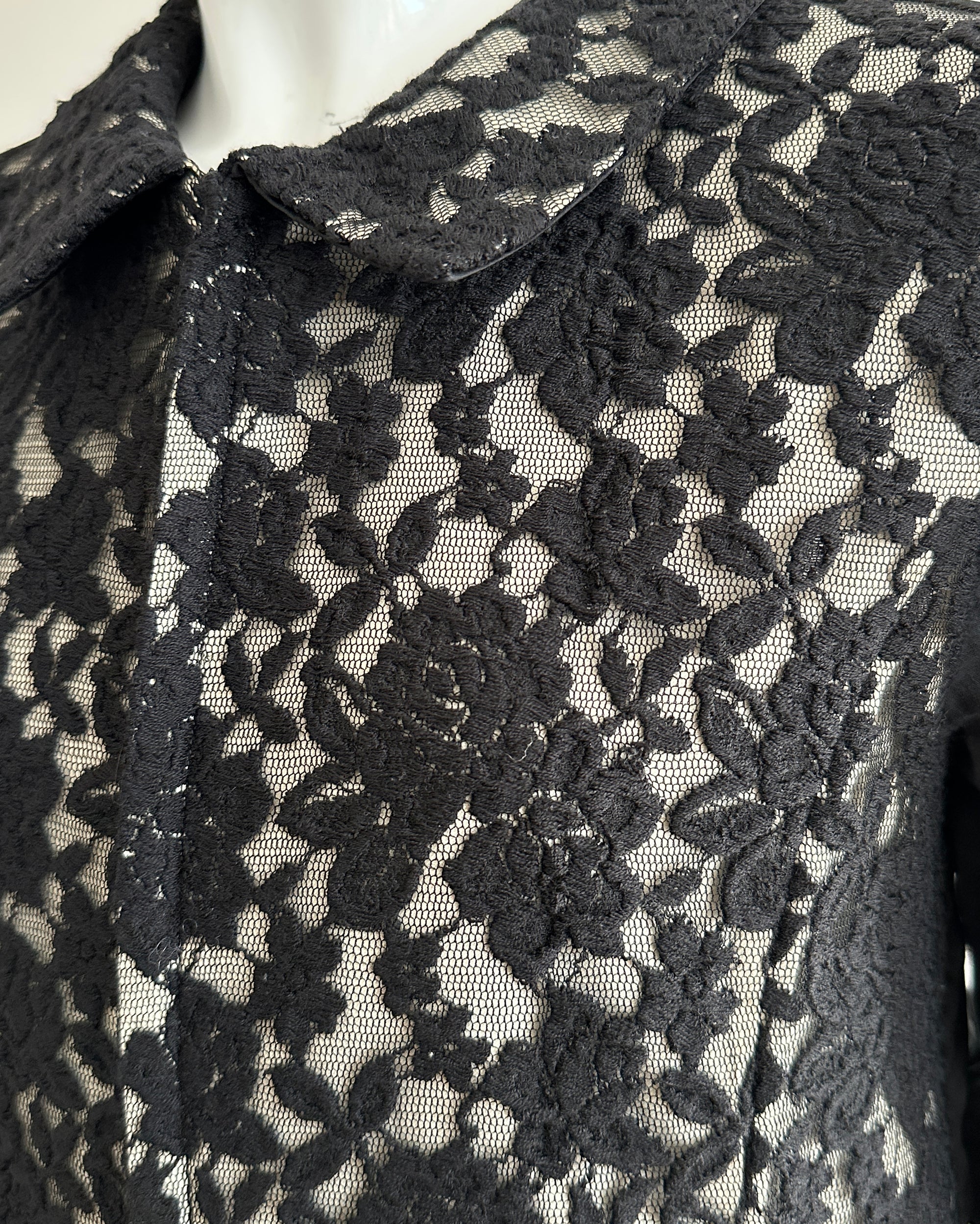
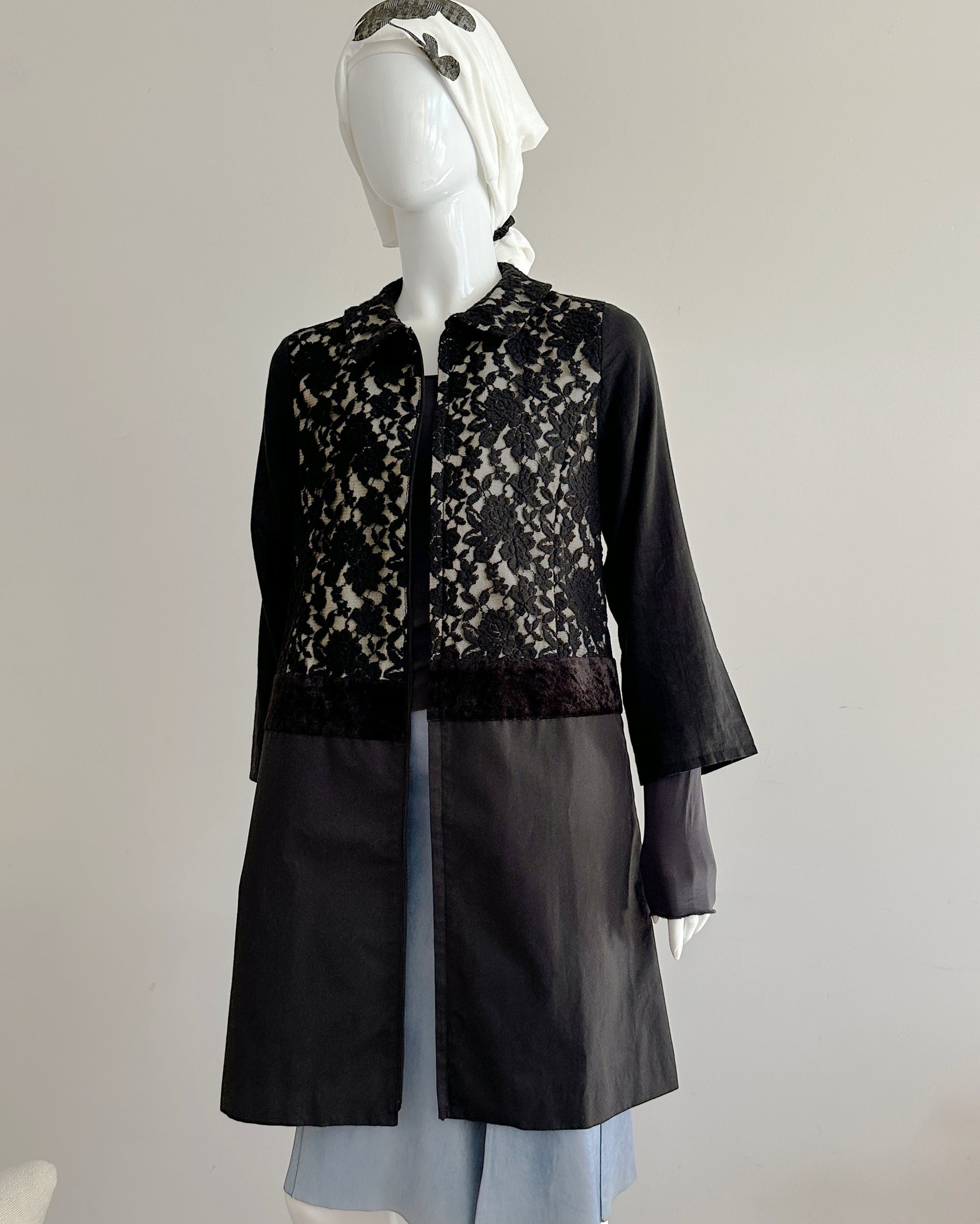
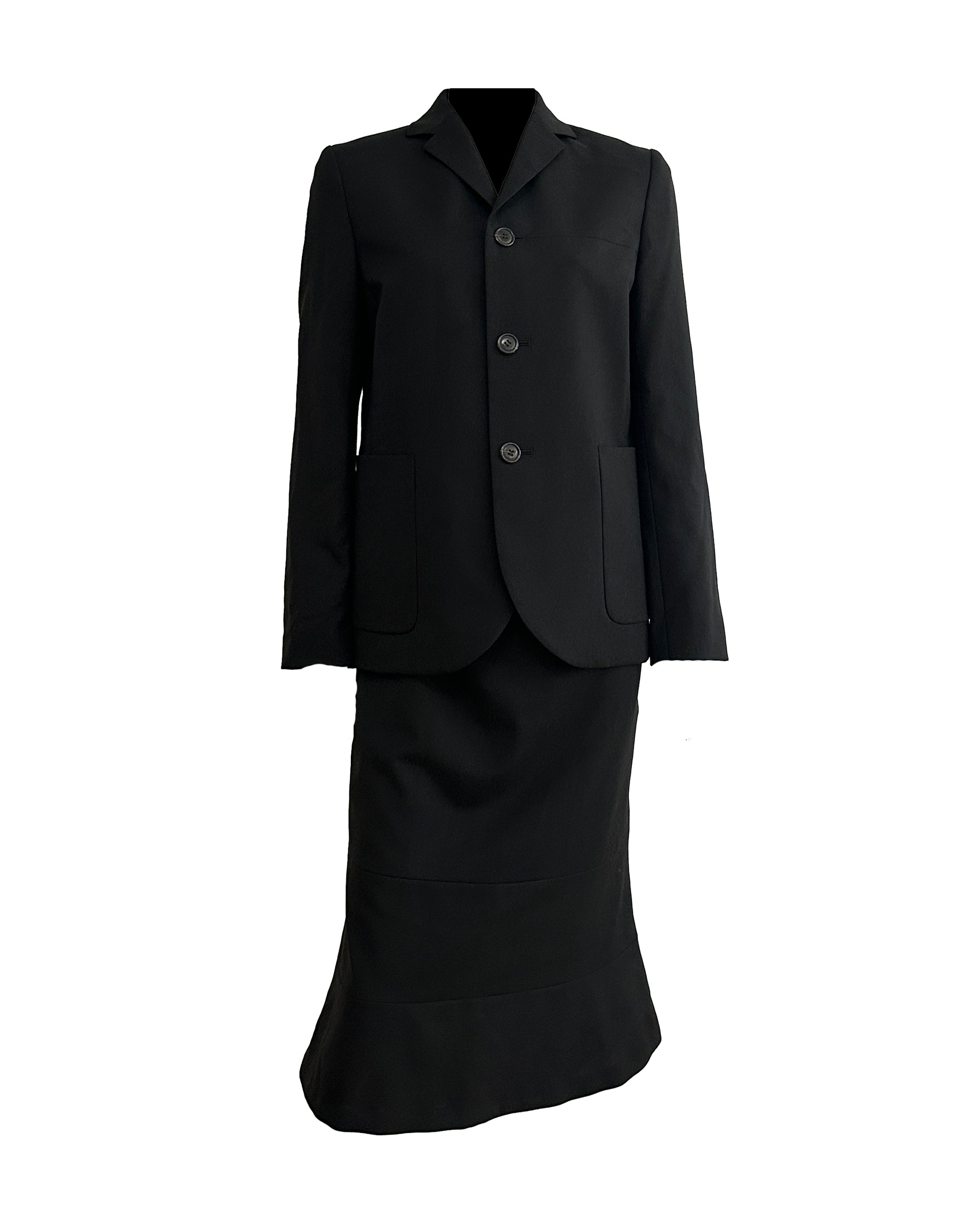
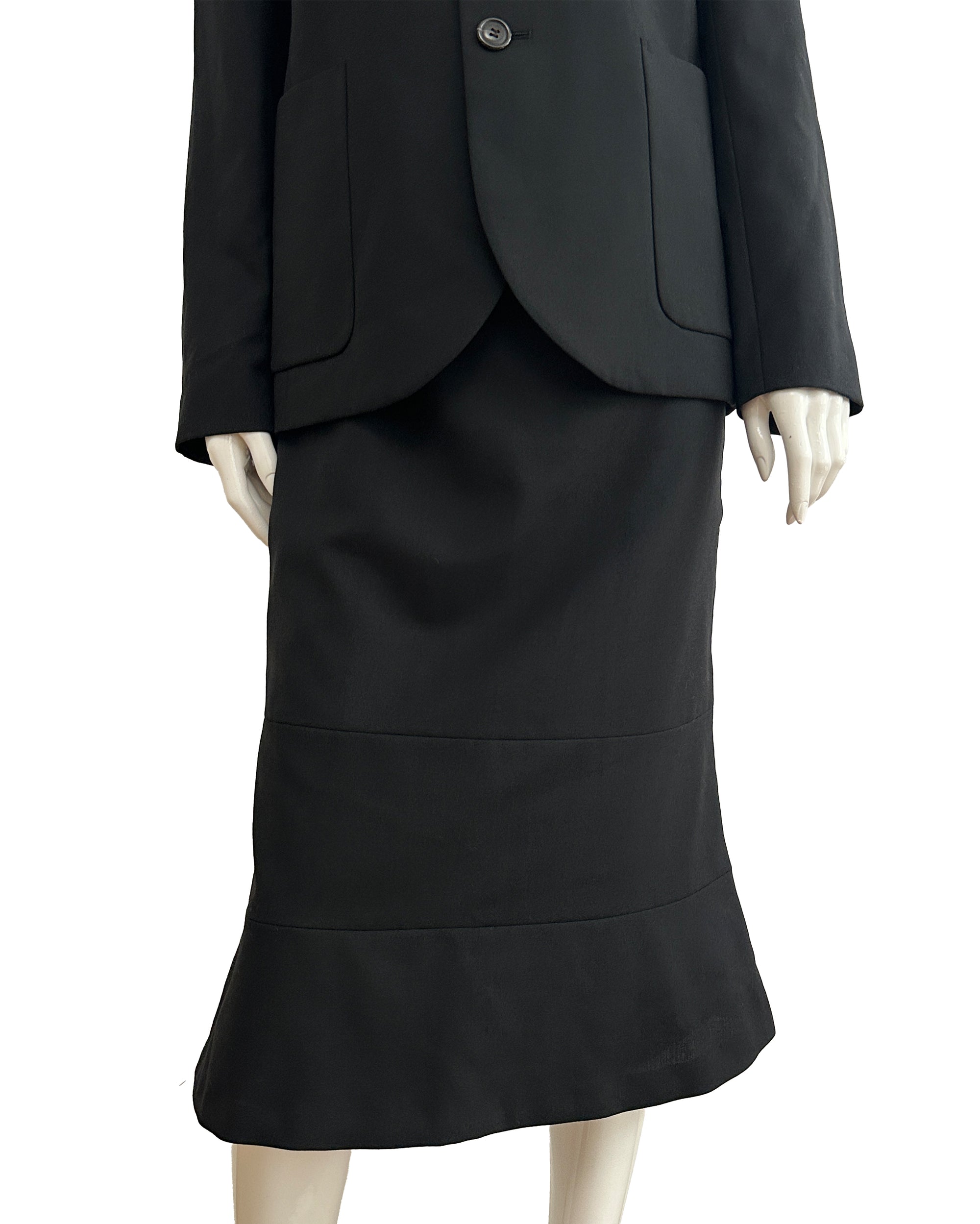
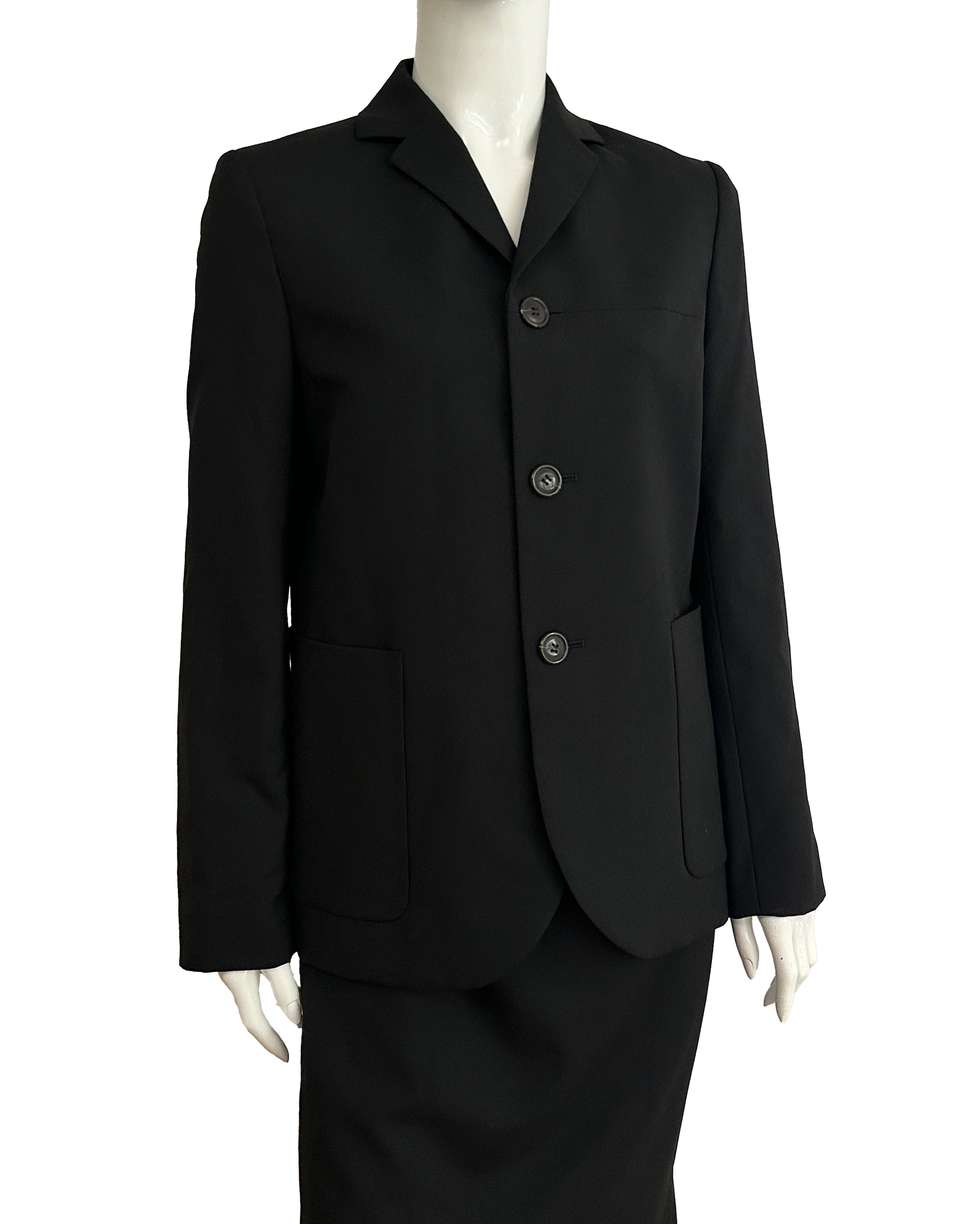
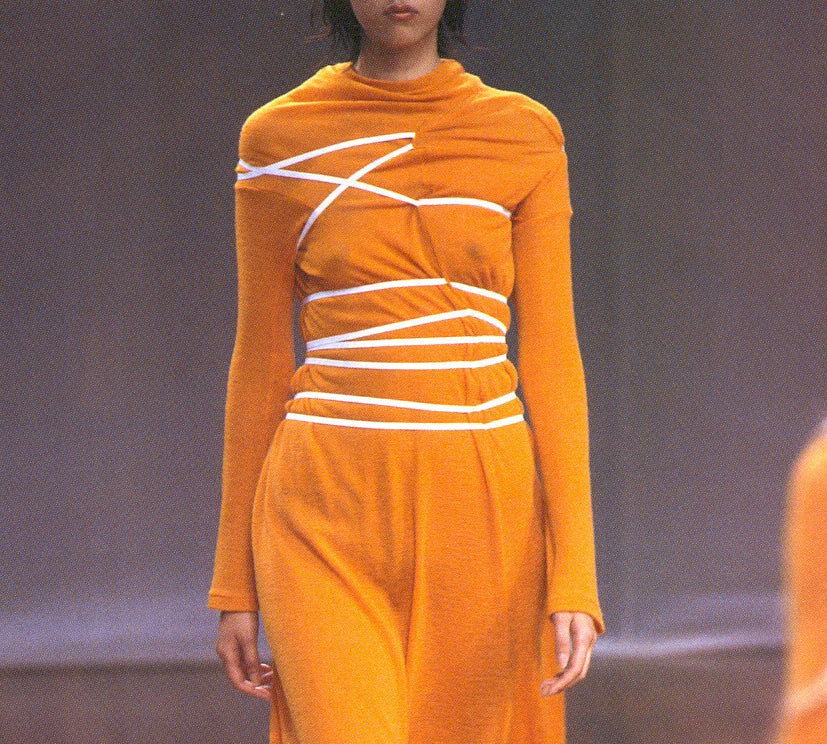
Our selection focuses on pieces from the 1990s and early 2000s – a period where Miyake’s influence is still present, but softened. The silhouettes are quieter, the atmosphere more feminine.